

How to stop getting a bad back at work?
Stop the slump. From "movement snacking" to the "Golden Rule" of hip alignment, learn how to save your spine and boost your focus with these 3 functional ergonomic hacks for Swansea desk workers.
Uplands Desk Workers: 3 Evidence-Based Tips to Save Your Spine
As we move through 2026, the data regarding office health has reached a consensus: our workspaces are evolving, but our biological need for movement remains the same. At Chiropractic Wales Uplands, we are seeing a significant rise in "Hybrid Fatigue" a direct result of workspaces that fail to support functional movement.
Whether you are working from a home office or a corporate hub in Swansea, here are three tips to optimise your spinal function, backed by the latest research from PubMed and the Journal of Kinesiology.
The Walking Machine: Movement is the "Biological Reset"
The Tip: Shift your focus from "perfect sitting" to postural variability.
The Science: A 2025 meta analysis published on PubMed confirmed that even the most advanced ergonomic chair cannot offset the effects of "static loading." Prolonged sitting restricts blood flow to spinal discs and leads to muscle "deconditioning"—where the muscles that support your spine essentially "switch off."
Action Step: Adopt "Movement Snacking." Every 30 minutes, stand up for just 2 minutes. This brief interruption has been clinically shown to improve glucose metabolism and reduce joint stiffness by re-hydrating the intervertebral discs through natural movement.
The Standing Desk: Mastery of Eye-Level Alignment
The Tip: Your monitor height dictates your neck health.
The Science: Research in the Journal of Occupational Health highlights a staggering statistic: for every inch your head tilts forward to look at a low screen, you add approximately 10lbs of pressure to your cervical spine. This is the structural root of "Tech Neck" and cervicogenic headaches.
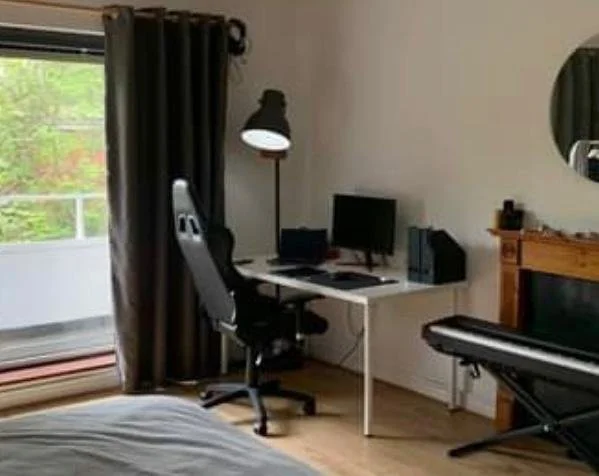
Action Step: Position your monitor so your eyes are level with the top third of the screen. If you use a laptop, a stand and external keyboard are non-negotiable for maintaining a neutral functional gaze and protecting your neck.
The Golden Rule: Optimise Your Base of Support
The Tip: Keep feet flat and hips slightly above the knees.
The Science: Kinesiology studies on pelvic biomechanics show that sitting with a slight hip decline (around a 110°–120° hip angle) helps maintain the natural lumbar curve (lordosis) without conscious muscular effort. This significantly reduces the "slump" that leads to chronic lower back tension.
Action Step: Check your chair height. Ensure your primary screen is centered directly in front of you—repetitive neck rotation (even by a few degrees to look at a side monitor) is a primary driver of unilateral muscle imbalances.
Why "Function" Beats "Furniture" You can invest in the world's most expensive office furniture, but if your joints aren't moving correctly, you are simply "sitting better" in a body that is struggling to adapt.
At Chiropractic Wales Uplands, we don’t just look at your desk; we look at how your body functions within it. Our goal is to restore joint mobility and neurological efficiency, ensuring that when you do move, your body is operating at its peak potential.
Is your desk setup helping or hindering your performance? If you are experiencing persistent stiffness despite a "good" setup, your spine might need a functional assessment to restore its natural range of motion.
References & Further Reading
Frontiers in Nutrition (2025). Acute effects of exercise snacks on postprandial metabolism in sedentary adults: A systematic review and meta-analysis.
PubMed / Journal of Biomechanics. Effect of sustained loading on the water content and creep response of intervertebral discs. (Updated clinical context 2024-2025).
StatPearls / NCBI (2024). Ergonomics and Workplace Musculoskeletal Disorders (WMSDs): Clinical Review.
MDPI Electronics (2024). Comparison of Neck Pain and Posture with Spine Angle Tracking between Static and Dynamic Computer Monitor Use.
ResearchGate / Finite Element Study (2025). Biomechanical Effects of Different Sitting Postures and Physiologic Movements on the Lumbar Spine.
Back Pain Relief and Beyond: Chiropractic Care for Your Entire Musculoskeletal System
Chiropractic Care for Back Pain, Neck Pain & MSK Issues
Are you suffering from chronic or acute back pain? You’re not alone. Back pain is one of the most common health problems, affecting millions of people worldwide. It can range from a dull ache to debilitating pain that disrupts your ability to work, exercise, and enjoy everyday activities. While many seek medication or invasive procedures for relief, there’s a natural and effective alternative: chiropractic care.
In this article, we’ll explore why chiropractic care is one of the best treatments for back pain, how it works, and why it is the long-term preventative solution you need to maintain a healthy, active life. If you’re ready to regain control over your life and say goodbye to pain, read on.
Why Chiropractic Care is a Proven Solution for Back Pain
Back pain, especially lower back pain, is one of the leading causes of disability worldwide (Geneen et al., 2017). Traditional treatments, like painkillers or surgery, can offer short-term relief, but they often don’t address the root causes of the pain. That’s where chiropractic care excels.
Chiropractors specialise in spinal adjustments and manual therapies that aim to restore proper function, mobility, and alignment to your spine. Research shows that spinal manipulation is highly effective for relieving both acute and chronic back pain. In fact, a study published in The Lancet confirmed that chiropractic care is one of the most effective treatments for low back pain, offering relief from discomfort and improving overall function (Geneen et al., 2017).
Key Benefits of Chiropractic Care for Back Pain
Drug-Free, Non-Invasive Treatment: Chiropractic care doesn’t rely on medications or surgery, making it a safer alternative for long-term pain relief. Instead, spinal manipulation and other hands-on therapies are used to reduce pain and improve movement.
Long-Term Relief, Not Just Symptom Management: Unlike painkillers, which only mask the symptoms, chiropractic care addresses the root causes of your pain. By addressing restrictions, chiropractic care helps restore function, preventing future pain episodes.
Personalised Treatment: Every patient is different. Chiropractors tailor treatment plans to meet your specific needs, considering your condition, lifestyle, and goals. This personalised care ensures you get the most effective treatment.
Evidence-Based Treatment: Studies have repeatedly shown that chiropractic spinal manipulation and complementary therapies are highly effective for managing back pain. According to the RESTORE study, multidisciplinary rehabilitation programs, including chiropractic care, significantly improved both pain and function compared to conventional care (Costa et al., 2018).
Beyond Relief: The Power of Preventative and Maintenance Care
Chiropractic care is often sought out as a fix for existing pain, but it’s also a valuable tool for prevention. Once your initial pain is relieved, the job isn't finished; it's time to build strength and stability to prevent the pain from returning.
This is the power of maintenance and preventative care; it's your long-term health strategy.
Why You Need a Preventative Care Plan
Proactive vs. Reactive: Why wait for the pain to return? Preventative care involves routine treatment and check-ups that catch small imbalances before they develop into painful, chronic problems.
Optimal Performance: Regular maintenance keeps your spine and nervous system functioning at their best. This not only reduces pain but can improve mobility, flexibility, athletic performance, and even sleep quality.
Address Daily Strain: Modern life, sitting at a desk, looking down at a phone, or repetitive physical tasks constantly put stress on your spine. Maintenance care counteracts this daily strain, helping you preserve movement quality and balance your health.
Prevention of Future Injuries: Chiropractic care isn't just about treating pain, it’s about improving overall mobility and function to reduce the risk of future injury. Through rehabilitative exercises and posture correction, your chiropractor helps you build strength and stability, making you less prone to injury.
A typical maintenance care plan is personalised, but often involves less frequent, regular appointments (e.g., monthly or quarterly) combined with ongoing advice on posture, ergonomics, and home exercises. This approach transitions you from intensive care to a wellness focus, investing in your long-term health and avoiding debilitating flare ups.
How Chiropractic Care Works for Back Pain Relief
Chiropractors use spinal adjustments to restore movement in the joints and ease tension. When the spine is restricted, it can cause pressure on nerves and disrupt the nervous system, leading to pain, stiffness, and limited mobility. Through precise manual adjustments, chiropractors help restore the movement, which can reduce nerve pressure and promote healing.
Here’s a breakdown of the most common treatments we use:
Spinal Manipulation: A hands-on technique where the chiropractor applies controlled force to a spinal joint to improve function and relieve pain.
Soft Tissue Therapy: This involves working on the muscles and ligaments surrounding the spine to reduce tension and improve mobility.
Exercise Rehabilitation: Chiropractors guide patients through exercises that improve strength and flexibility, helping prevent future episodes of pain.
Posture and Lifestyle Advice: Your chiropractor will help you understand how daily habits, such as sitting posture or ergonomics at work, may contribute to your pain and provide strategies to reduce strain on your back.
Real Success Stories: How Chiropractic Can Transform Your Life
Many patients who seek chiropractic care for back pain experience significant improvement in both pain levels and quality of life.
*"I’ve had chronic back pain for years, and after just a few sessions of chiropractic care, I noticed a huge difference. I’m finally able to exercise without pain! Now, my regular maintenance appointments keep me feeling great and stop the pain from coming back." – Sarah, 42, office worker.
Whether your pain is related to a specific injury, poor posture, or a long-standing issue, chiropractic care provides the tools for lasting relief and long-term wellness.
Is Chiropractic Care Right for You?
If you’ve been struggling with back pain, chiropractic care might be the safe, effective solution you’ve been searching for. With its focus on improving balance, mobility and decreasing pain, chiropractic care offers long-term benefits that go far beyond just symptom relief.
If you're ready to experience the benefits of chiropractic care for your back pain and commit to a plan that keeps you healthy and active don't hesitate to reach out and schedule a consultation.
Contact us today to learn about our customised maintenance and preventative care plans and start living pain-free!
Share this article with friends or family members who may be suffering from back pain, or reach out for more information on how chiropractic care can help you!
References:
Geneen, L. J., Moore, R. A., & Traynor, M. (2017). Physical treatments for low-back pain. The Lancet, 390(10105), 2497-2507.
Costa, L. O. P., Maher, C. G., & Latimer, J. (2018). The RESTORE study: Rehabilitation for the management of low back pain. The Journal of Pain, 19(1), 89-98.
British Chiropractic Association (BCA). (2021). Chiropractic care for low back pain. British Chiropractic Association.
Haas, M., Degenhardt, B., & Vavrek, D. (2005). The effectiveness of spinal manipulation and mobilisation in the management of acute low back pain. The Journal of Manipulative and Physiological Therapeutics, 28(5), 273-282.
