

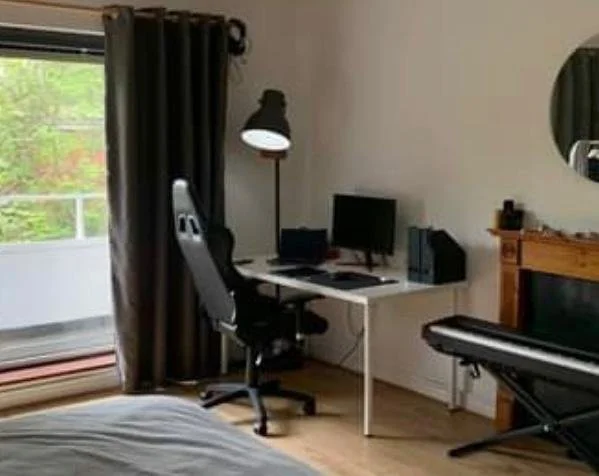
How to stop getting a bad back at work?
Stop the slump. From "movement snacking" to the "Golden Rule" of hip alignment, learn how to save your spine and boost your focus with these 3 functional ergonomic hacks for Swansea desk workers.
Uplands Desk Workers: 3 Evidence-Based Tips to Save Your Spine
As we move through 2026, the data regarding office health has reached a consensus: our workspaces are evolving, but our biological need for movement remains the same. At Chiropractic Wales Uplands, we are seeing a significant rise in "Hybrid Fatigue" a direct result of workspaces that fail to support functional movement.
Whether you are working from a home office or a corporate hub in Swansea, here are three tips to optimise your spinal function, backed by the latest research from PubMed and the Journal of Kinesiology.
The Walking Machine: Movement is the "Biological Reset"
The Tip: Shift your focus from "perfect sitting" to postural variability.
The Science: A 2025 meta analysis published on PubMed confirmed that even the most advanced ergonomic chair cannot offset the effects of "static loading." Prolonged sitting restricts blood flow to spinal discs and leads to muscle "deconditioning"—where the muscles that support your spine essentially "switch off."
Action Step: Adopt "Movement Snacking." Every 30 minutes, stand up for just 2 minutes. This brief interruption has been clinically shown to improve glucose metabolism and reduce joint stiffness by re-hydrating the intervertebral discs through natural movement.
The Standing Desk: Mastery of Eye-Level Alignment
The Tip: Your monitor height dictates your neck health.
The Science: Research in the Journal of Occupational Health highlights a staggering statistic: for every inch your head tilts forward to look at a low screen, you add approximately 10lbs of pressure to your cervical spine. This is the structural root of "Tech Neck" and cervicogenic headaches.
Action Step: Position your monitor so your eyes are level with the top third of the screen. If you use a laptop, a stand and external keyboard are non-negotiable for maintaining a neutral functional gaze and protecting your neck.
The Golden Rule: Optimise Your Base of Support
The Tip: Keep feet flat and hips slightly above the knees.
The Science: Kinesiology studies on pelvic biomechanics show that sitting with a slight hip decline (around a 110°–120° hip angle) helps maintain the natural lumbar curve (lordosis) without conscious muscular effort. This significantly reduces the "slump" that leads to chronic lower back tension.
Action Step: Check your chair height. Ensure your primary screen is centered directly in front of you—repetitive neck rotation (even by a few degrees to look at a side monitor) is a primary driver of unilateral muscle imbalances.
Why "Function" Beats "Furniture" You can invest in the world's most expensive office furniture, but if your joints aren't moving correctly, you are simply "sitting better" in a body that is struggling to adapt.
At Chiropractic Wales Uplands, we don’t just look at your desk; we look at how your body functions within it. Our goal is to restore joint mobility and neurological efficiency, ensuring that when you do move, your body is operating at its peak potential.
Is your desk setup helping or hindering your performance? If you are experiencing persistent stiffness despite a "good" setup, your spine might need a functional assessment to restore its natural range of motion.
References & Further Reading
Frontiers in Nutrition (2025). Acute effects of exercise snacks on postprandial metabolism in sedentary adults: A systematic review and meta-analysis.
PubMed / Journal of Biomechanics. Effect of sustained loading on the water content and creep response of intervertebral discs. (Updated clinical context 2024-2025).
StatPearls / NCBI (2024). Ergonomics and Workplace Musculoskeletal Disorders (WMSDs): Clinical Review.
MDPI Electronics (2024). Comparison of Neck Pain and Posture with Spine Angle Tracking between Static and Dynamic Computer Monitor Use.
ResearchGate / Finite Element Study (2025). Biomechanical Effects of Different Sitting Postures and Physiologic Movements on the Lumbar Spine.
